
Beyond Cars: Geely’s Rise from a Small Workshop to a Global Electric Leader



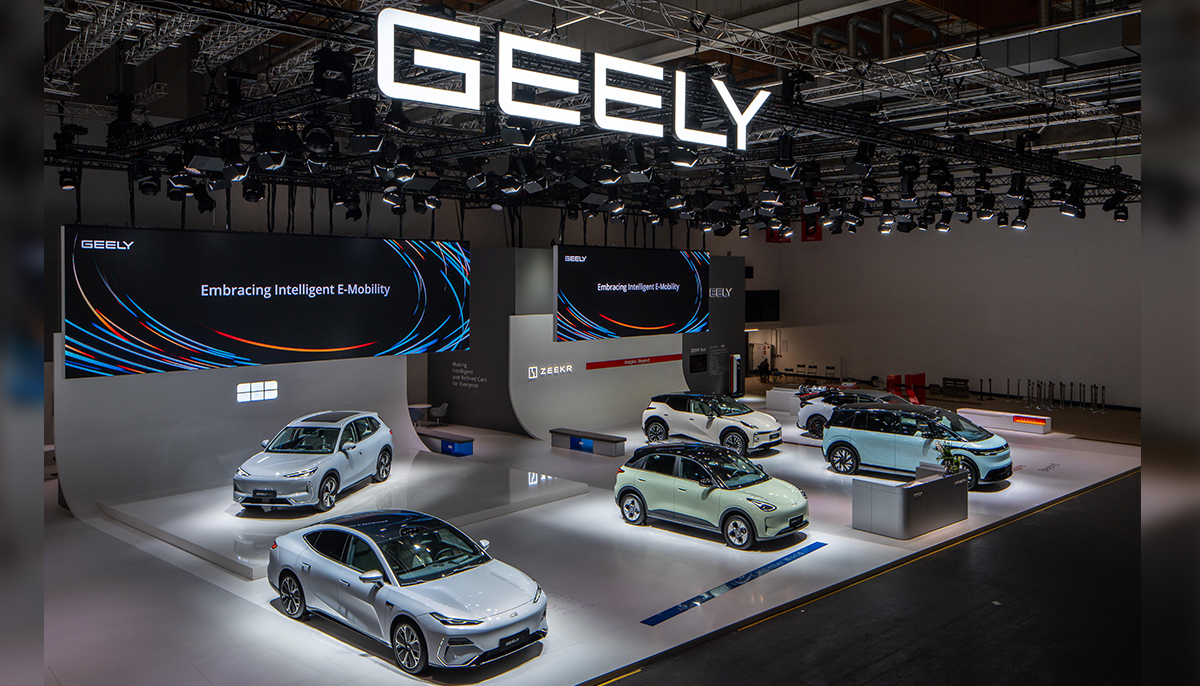
Every global automotive giant has an origin story, but few are as grounded and unconventional as Geely’s.
Long before it became associated with electric mobility, advanced vehicle architectures, and global partnerships, Geely was a small manufacturing business in Zhejiang, China. What truly sets its journey apart is not just how far it has come, but how deliberately it has grown—step by step, decision by decision—with people consistently at the center of its vision.

Founded in 1986 by entrepreneur Li Shufu, Geely began life away from the world of automobiles, as a refrigerator parts manufacturer. That changed in 1997, when the company made a bold and defining move into car manufacturing with a simple yet ambitious goal: to build cars that ordinary people could afford.
At a time when China’s automotive industry was dominated by state-owned enterprises, Geely became the country’s first privately owned automaker, challenging conventions from the very beginning.

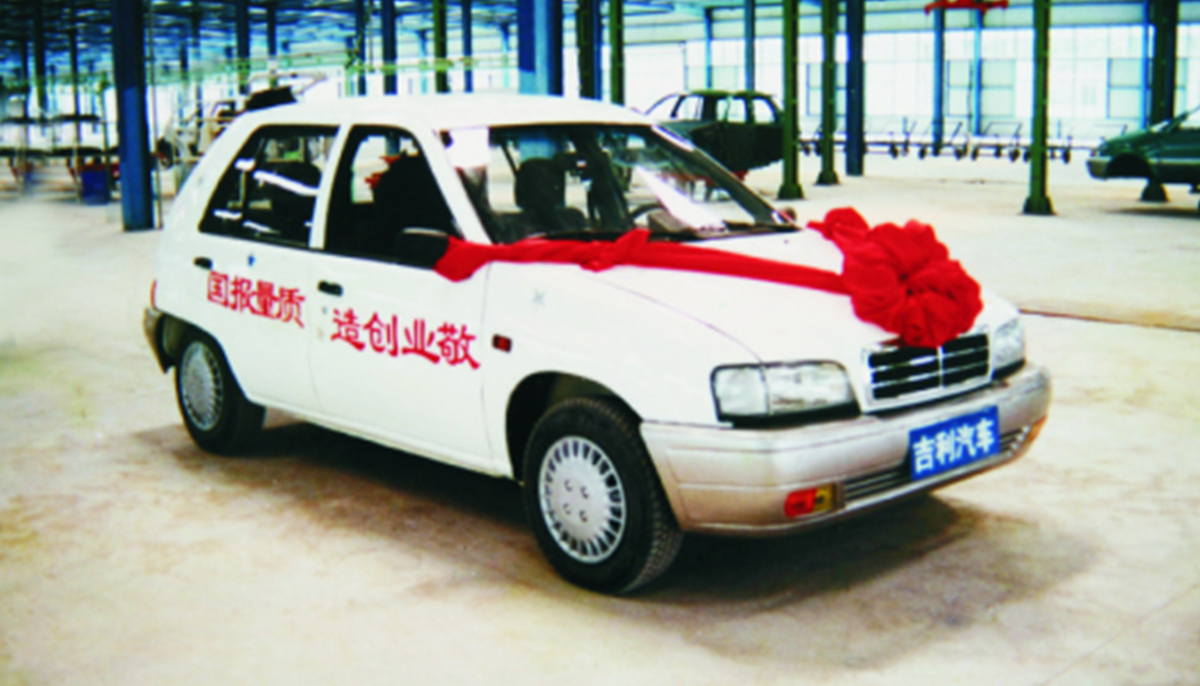
The launch of Geely’s first production car, Haoqing, in 1998 marked more than the start of vehicle manufacturing—it marked the beginning of belief. Within a few short years, Geely was no longer an outsider.
By the early 2000s, it had secured regulatory recognition, entered the ranks of China’s leading automakers, and built the corporate foundations that would later support global expansion. Its listing on the Hong Kong Stock Exchange in 2005 was a clear signal that Geely was thinking well beyond domestic ambitions.
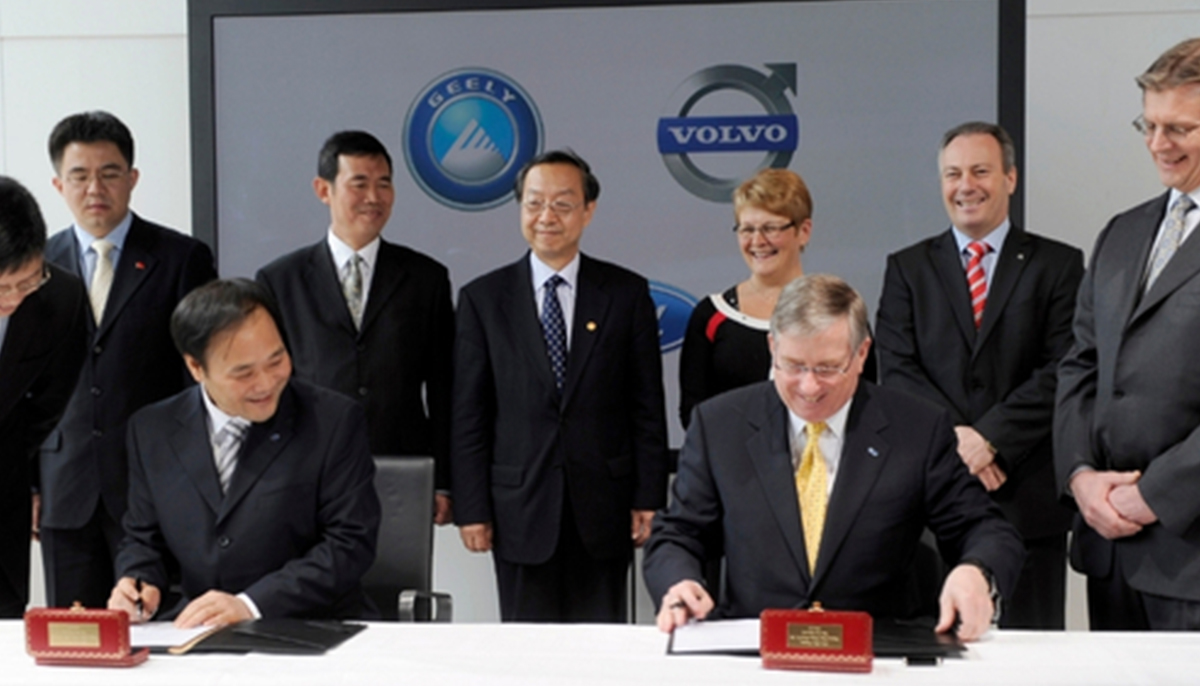
What followed was a period of transformation that reshaped how the world viewed Chinese automotive brands. The acquisition of Volvo Cars in 2010 became a defining moment—not just for Geely, but for the global industry. Rather than absorbing Volvo, Geely chose to learn from it, preserving its identity while integrating world-class safety standards, engineering discipline, and design philosophy into its own operations.
This approach soon became a pattern. Strategic stakes in brands such as Proton, Lotus, Smart, and Aston Martin Lagonda, along with partnerships with Daimler and Renault, reflected a long-term vision built on collaboration rather than control.
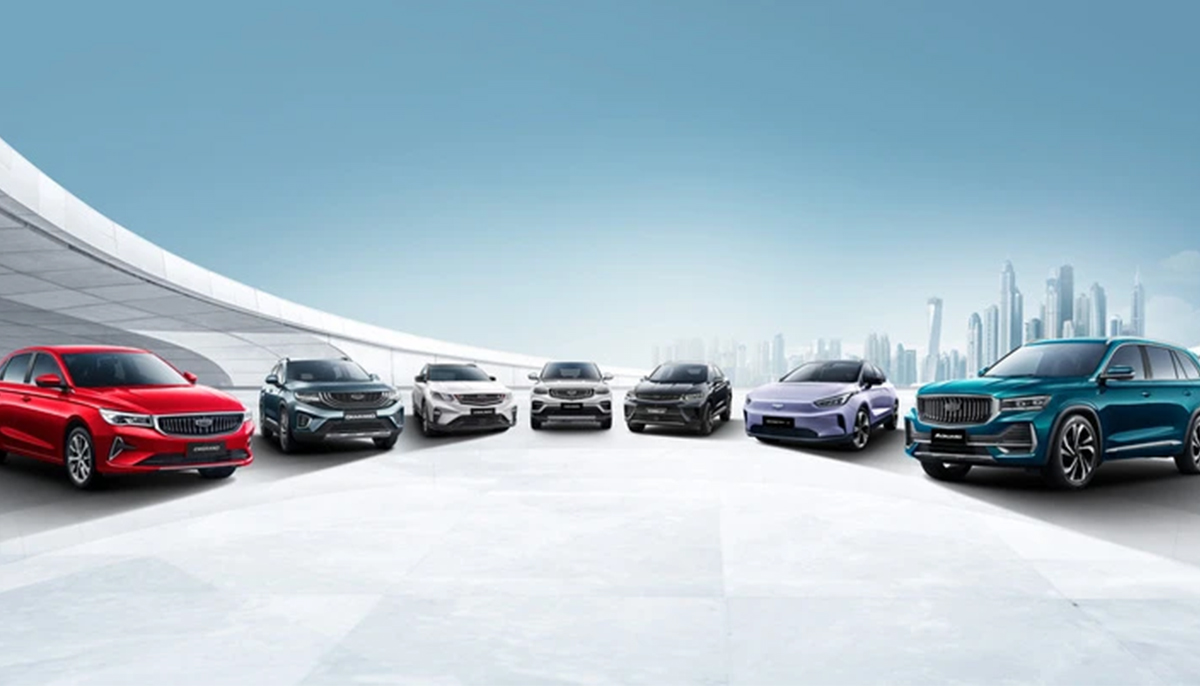
Behind these headline-making moves was steady, disciplined growth. By 2020, Geely had become the first Chinese auto brand to surpass 10 million units in cumulative global sales. By 2024, that number had crossed 17 million. For five consecutive years, Geely has led sales among Chinese auto brands—an achievement driven not only by scale, but by trust earned over time.
Recognition followed naturally. Geely Holding Group has featured on the Fortune Global 500 list for thirteen consecutive years, ranking 185th in 2024, and has secured its place among the world’s most valuable automotive brand portfolios. Its inclusion as the first Asian OEM voting member of the International Automotive Task Force further underscored its growing influence in shaping global quality standards.
Yet, Geely’s story is not only about numbers or acquisitions. It is equally about how cars are conceived, engineered, and built. With research and development centers across China, Sweden, and the UK, alongside advanced manufacturing facilities driven by automation, robotics, and 5G connectivity, Geely has invested heavily in doing things the right way.
Modular platforms such as CMA and the electric-focused SEA architecture allow the brand to remain flexible, future-ready, and adaptable across markets and technologies. This quiet engineering depth forms the backbone of Geely’s global success.
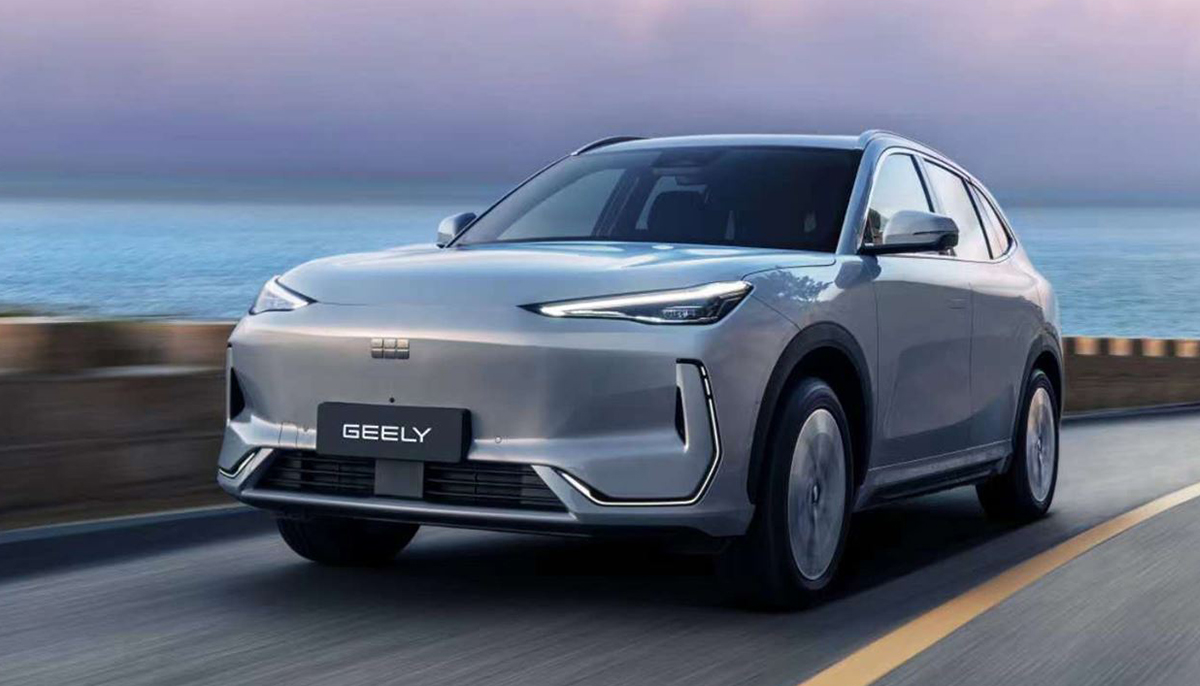
That global legacy now finds a tangible expression in Nepal through the Geely EX5 electric SUV. Distributed by LRR Motors Pvt. Ltd., Geely’s official partner in Nepal, the brand is laying the foundation for a long-term presence, with plans to expand to 14 dealerships nationwide.
Beyond specifications, the EX5 embodies a philosophy refined over decades—blending global engineering standards, intelligent technology, and refined design into a product that feels premium yet attainable.
Offered in EX5 Pro and EX5 Max variants, the model delivers strong performance, a capable battery setup, and a real-world driving range suited to Nepal’s diverse terrain and everyday use.
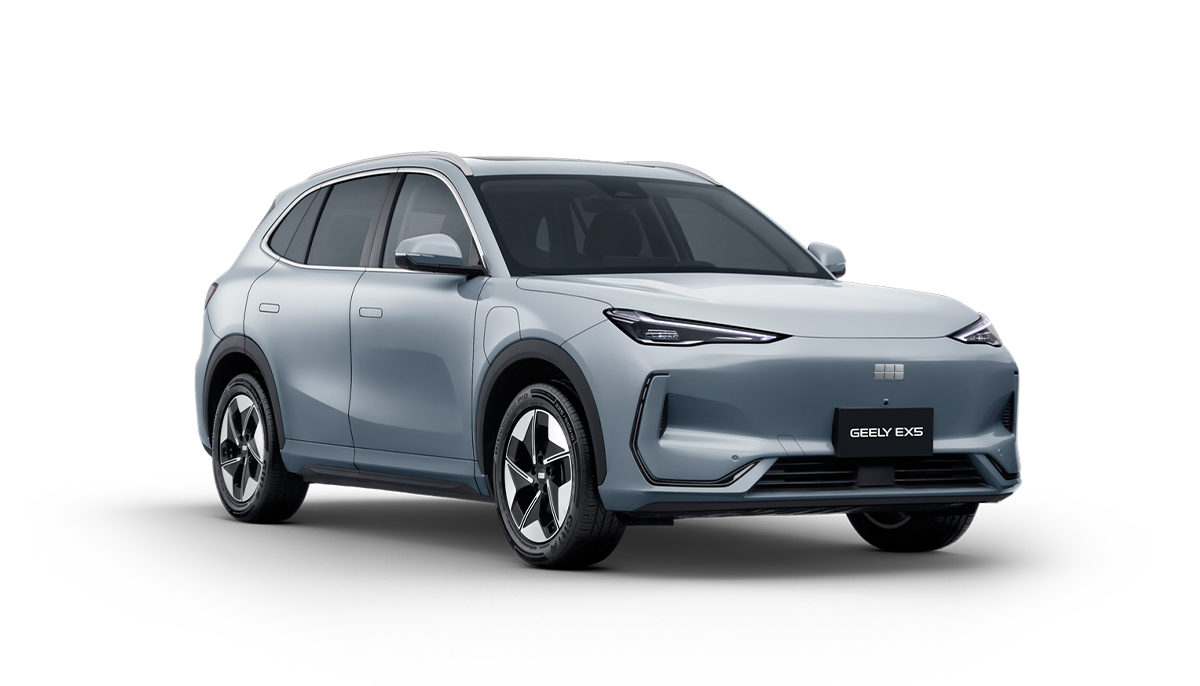
Its arrival aligns closely with Nepal’s gradual shift toward electric mobility, offering consumers a vehicle backed by one of the world’s most vertically integrated and technologically advanced automotive groups.
From humble beginnings in Zhejiang to its position as a global automotive leader, Geely Holding Group’s journey has been defined by calculated risk-taking, relentless innovation, and an unwavering focus on the future of mobility. With the EX5, that legacy is no longer distant—it is present on Nepalese roads, shaping the next chapter of electric mobility in the country.